
Living Peatlands Initiative
Why peatlands matter
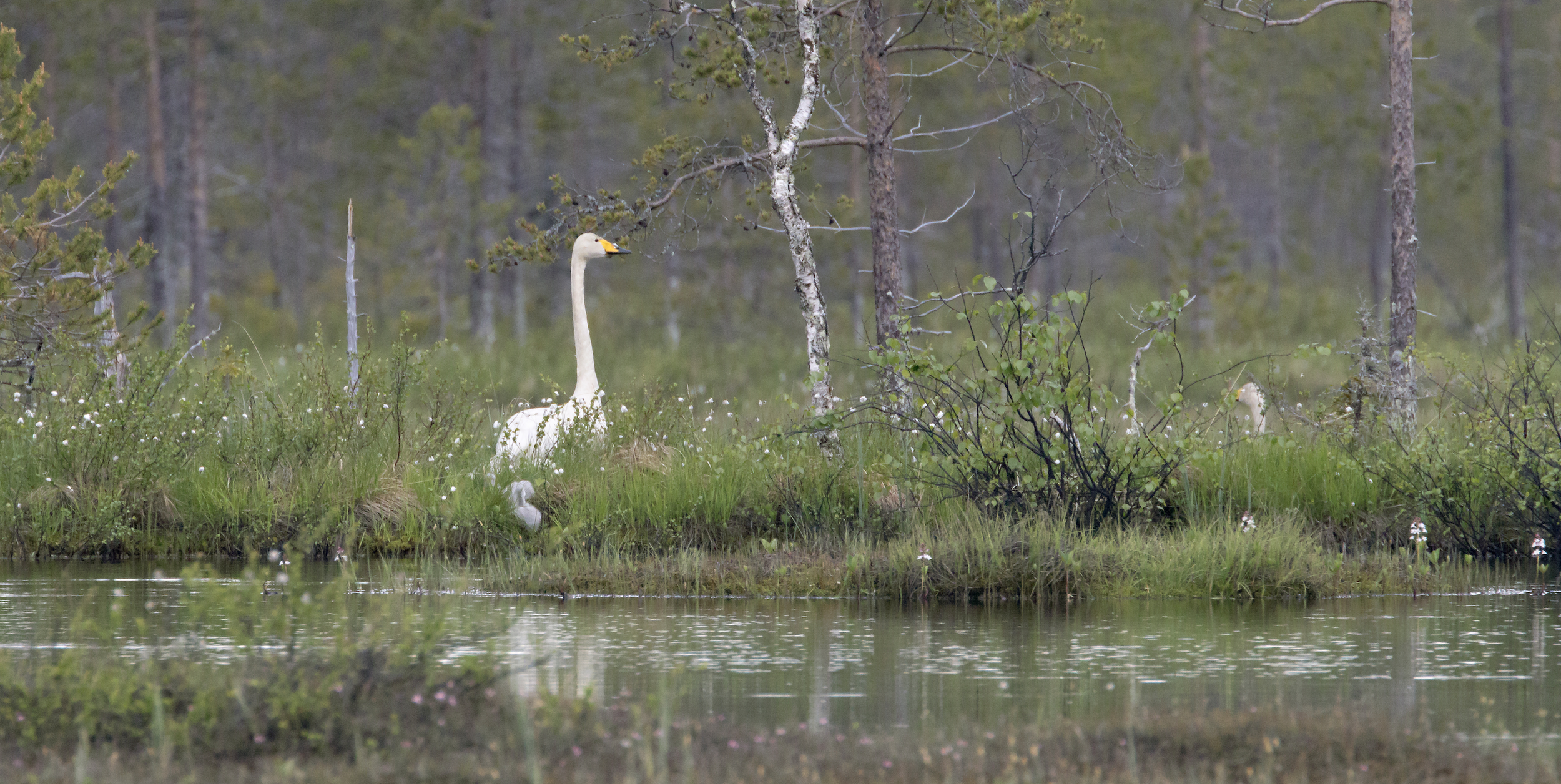
Peatlands play a critical role in regulating the Earth’s climate, storing approximately 40 percent of the world's terrestrial carbon - more than all of the world’s forests combined.
“Peatlands are unsung heroes. We often talk about the Amazonia and rainforests as the lungs of the planet, but peatlands hold equal importance for climate circulation and carbon sinks”
The Challenge
In spite of their enormous contribution to climate regulation, biodiversity and human wellbeing, peatlands are largely overlooked in global conversation practice.
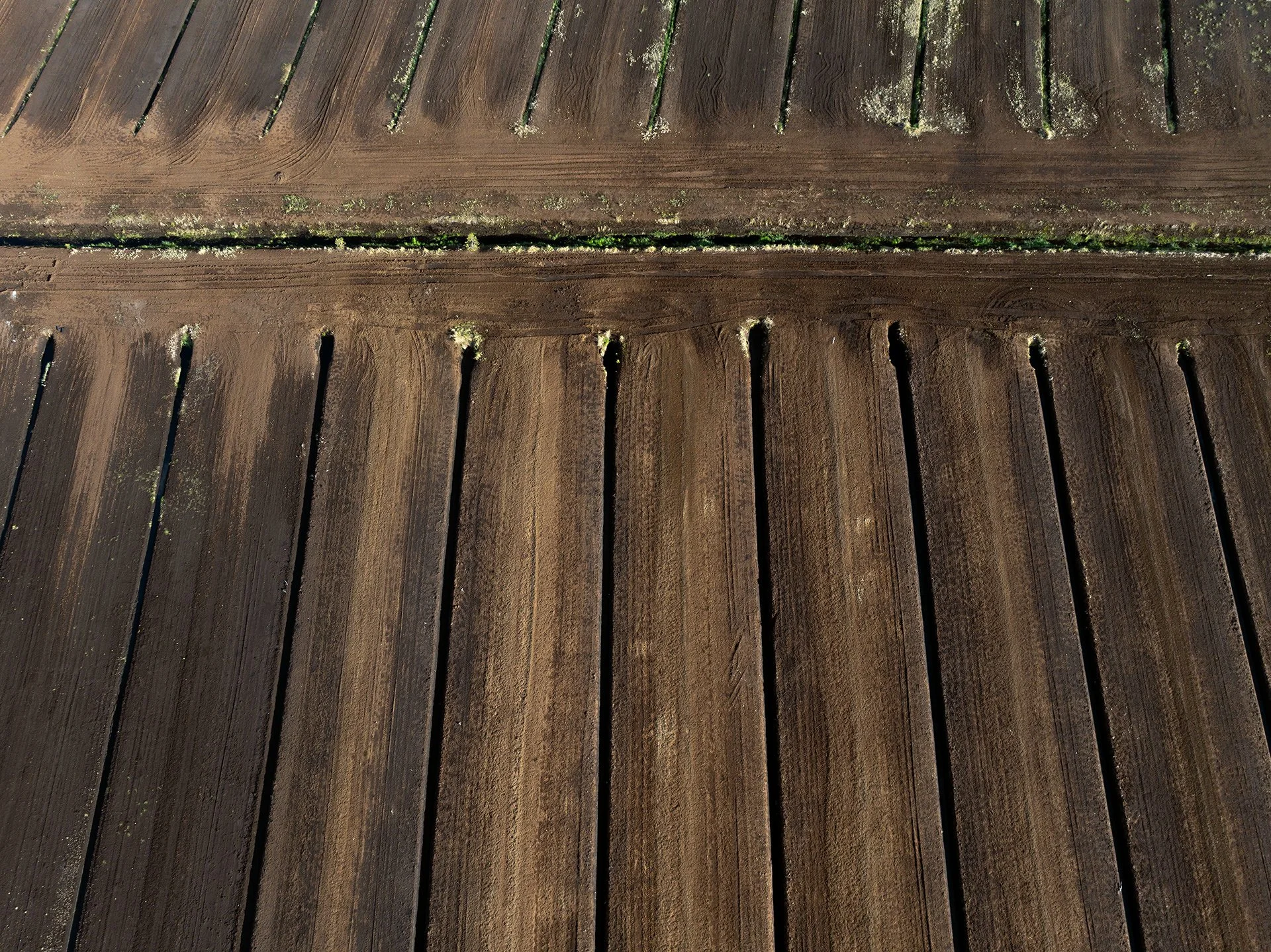
Only 17 percent of peatlands are in formally protected areas globally and 20 to 25 percent of global peatlands are in need of restoration due to human activity including peat mining and ditching for agriculture.
Taking action to address this gap in protection for peatlands is essential to the future of a liveable planet.
Taking action
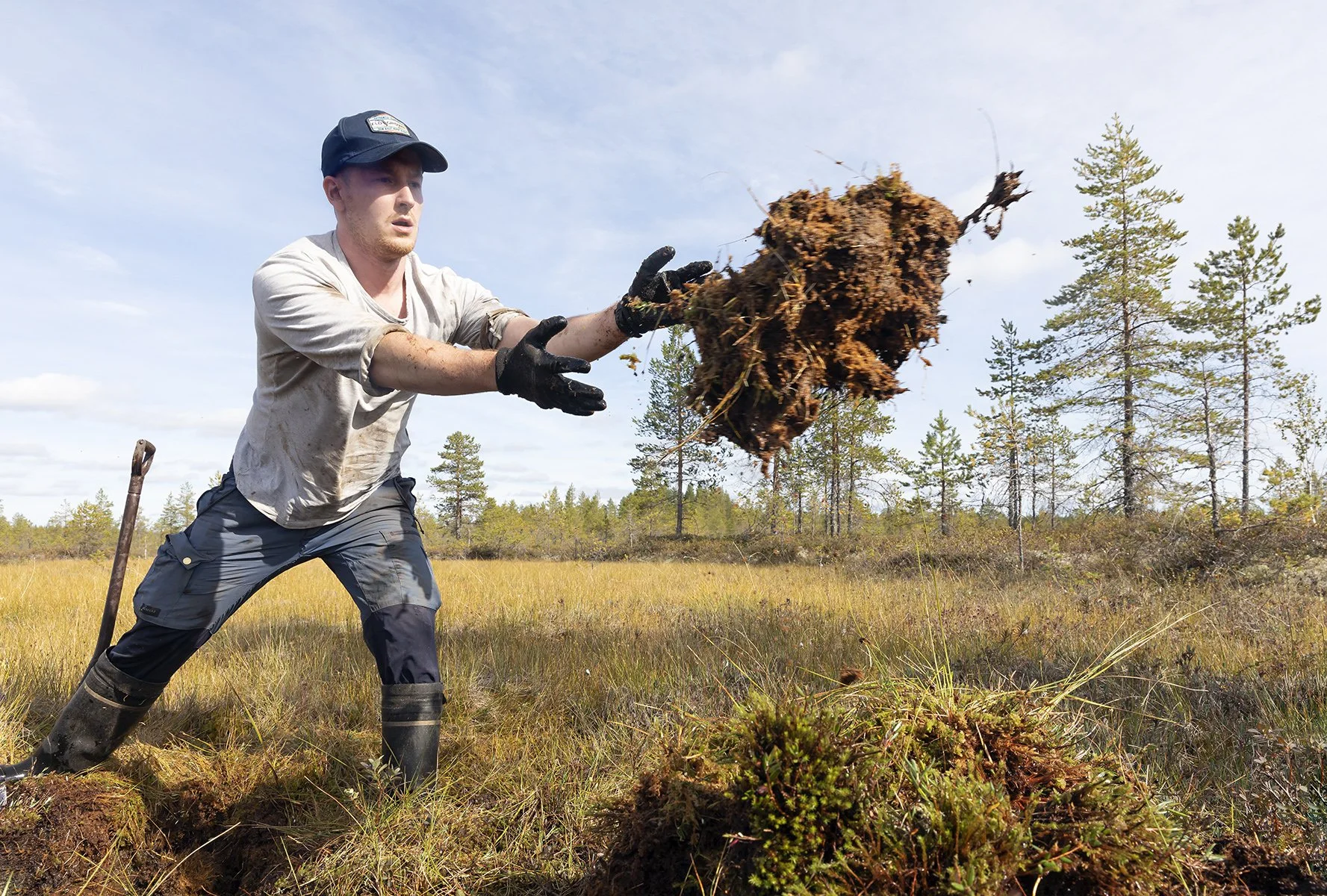
The Living Peatlands Initiative, started by the Snowchange Cooperative in 2024, is currently developing hubs across North America, Finland, and the Pacific to undertake landscape-scale initiatives to protect and restore peatlands at the regional level while coordinating and exchanging methodologies and approaches globally. Our shared approaches include:
Recognising/strengthening local and Indigenous governance
Catchment-scale stewardship and co-management
Celebrating and supporting keystone species
Community research and guardianship
Integrating the arts
Living Peatland Hubs
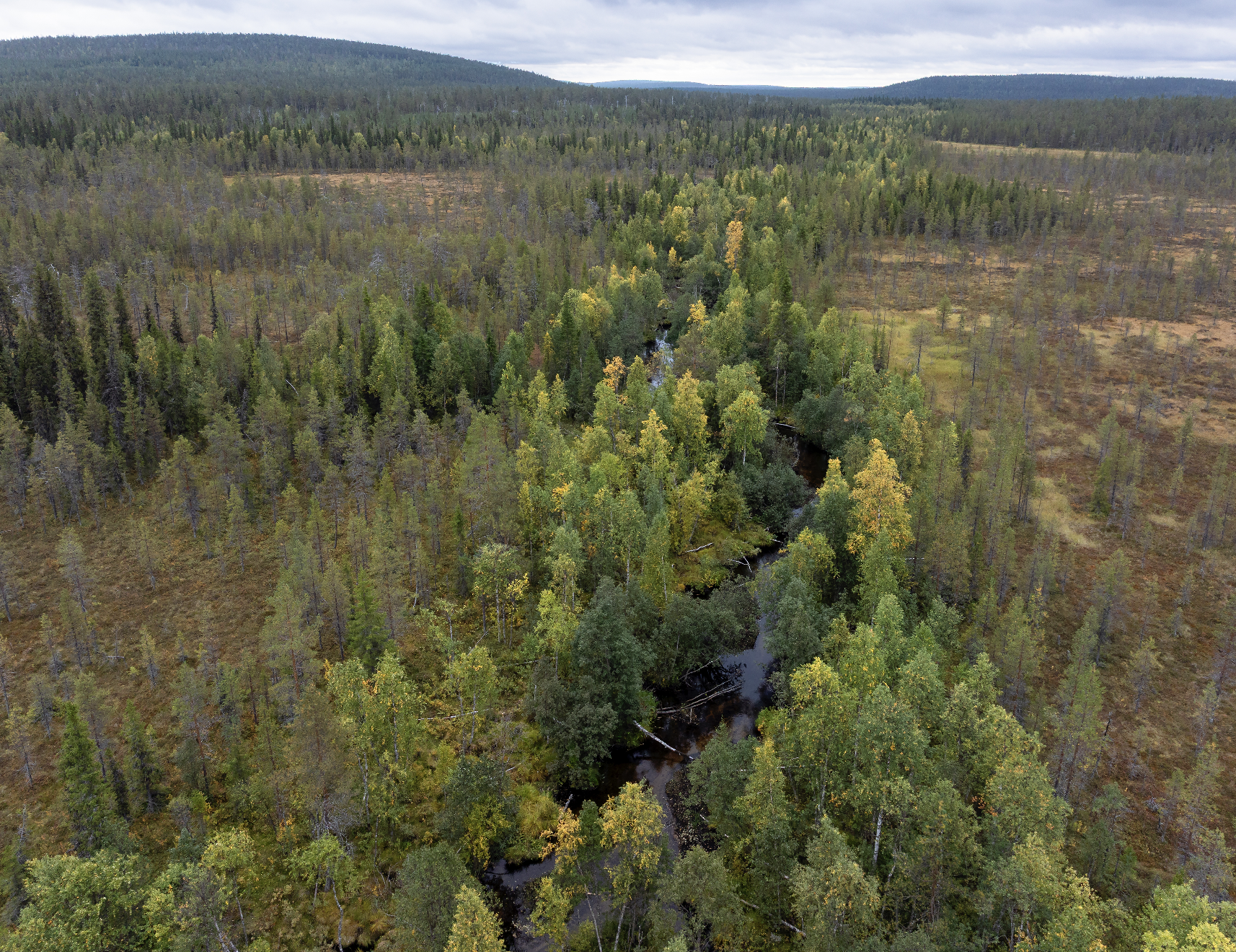
The Living Peatlands Initiative is unfolding across the Arctic and Boreal in Europe and North America.
Explore each of the hub landscapes by clicking on the markers on the map or visiting our Hub Landscape StoryMaps to explore their work in detail.
“The goal isn’t to return peatlands to the same state as before disturbance, but rather to restore the ability of peatlands to support unique plant and animal species, store carbon and address larger concerns for human and wildlife health.”