
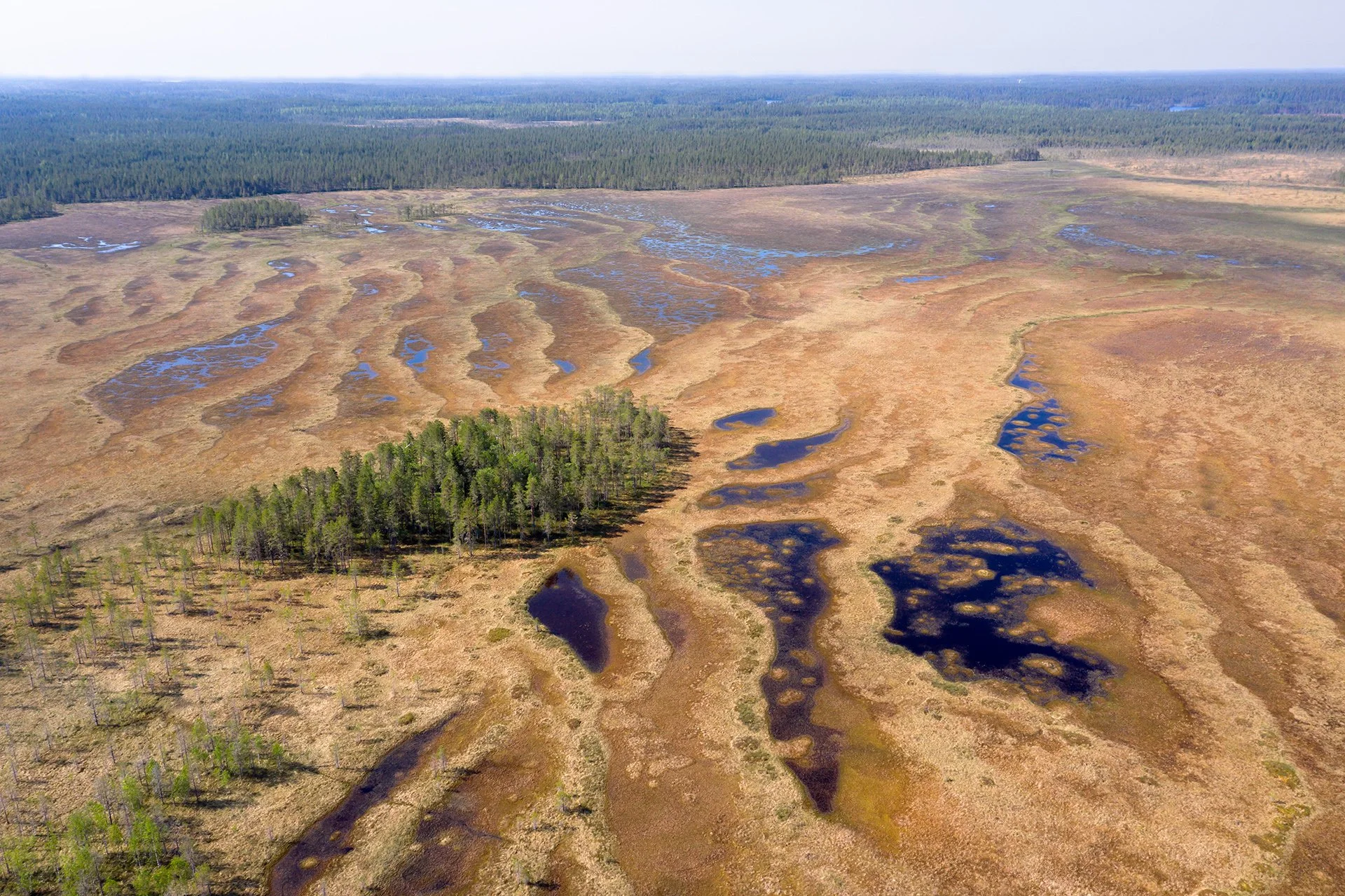
Living peatlands
Why they matter. How they are threatened.
Why peatlands matter
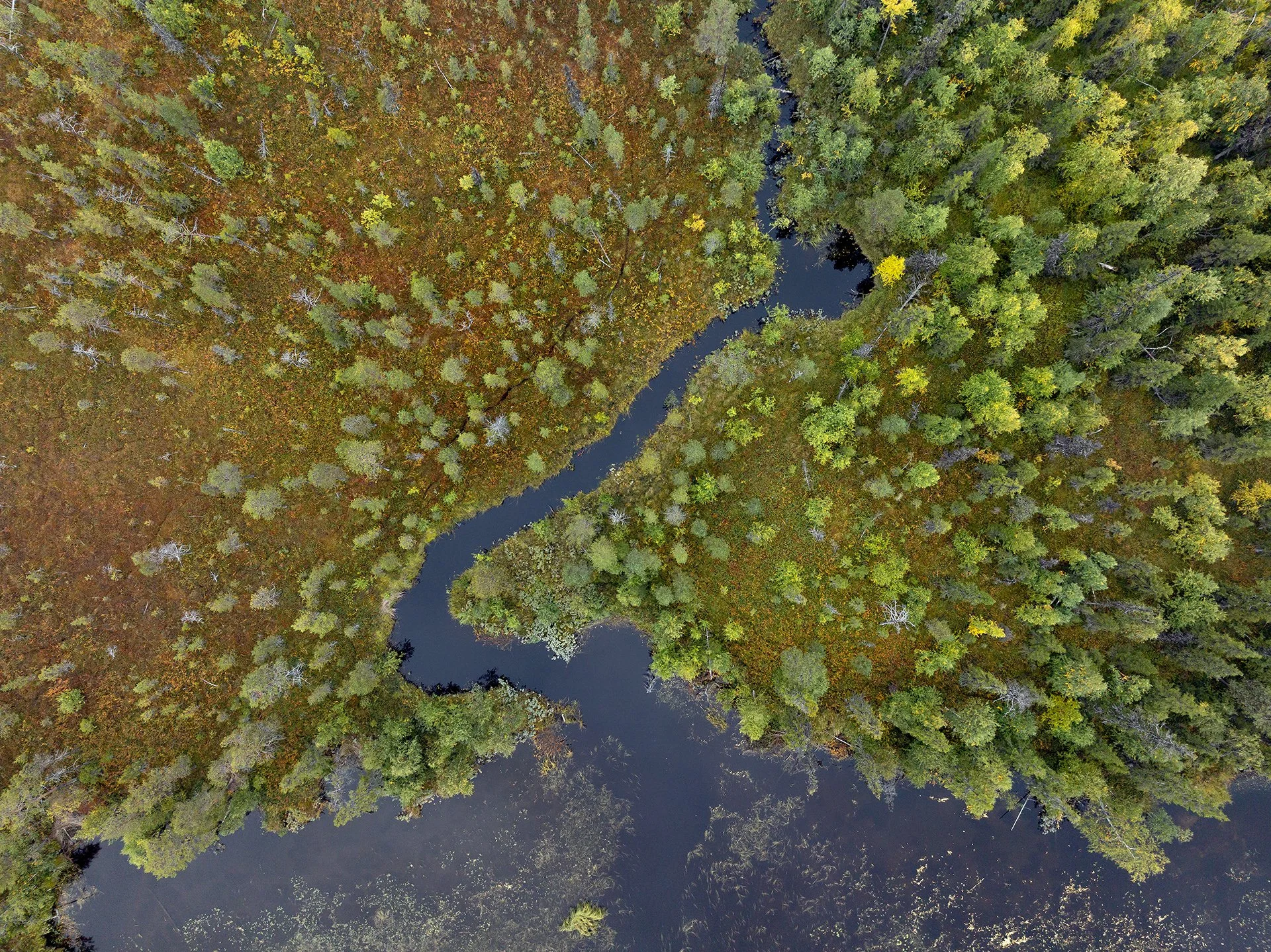
Globally, peatlands store approximately 40 percent of the world’s terrestrial carbon - more than all of the world’s forests combined.
Peatlands also play an important role in regional ecosystem health by supporting plant and animal biodiversity, filtering pollutants within watersheds, and soaking up rain water to protect landscapes from flooding.
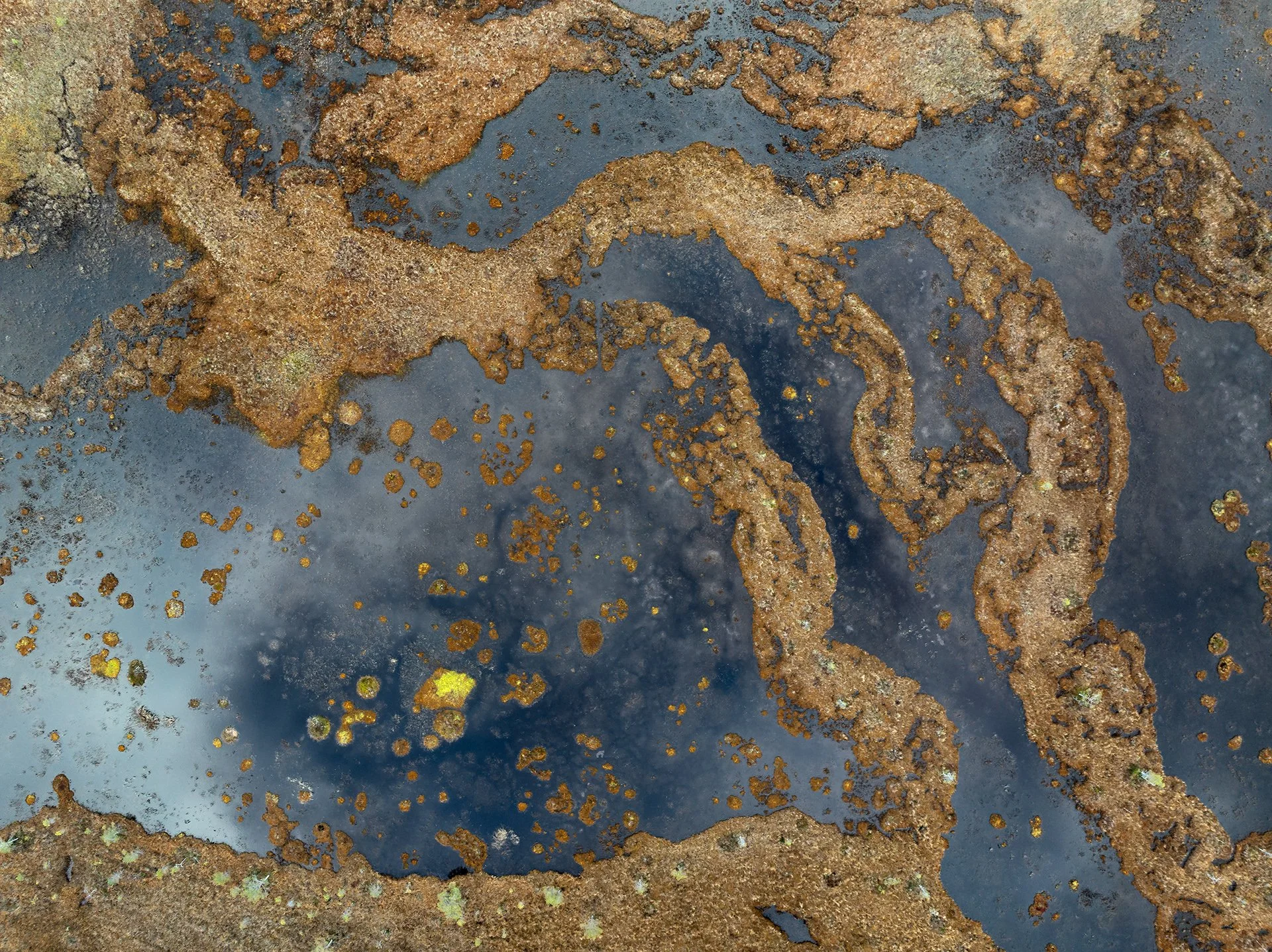
More than 60 percent of the world’s peatlands are in the Arctic and boreal regions. These peatlands are critical habitat for species such as caribou, moose, wild forest reindeer, cloudberries and other berry species, and wild rice.
These species are critical to the cultural identity and lifeways of Indigenous and local communities across the circumpolar and circumboreal north. They should be considered ‘cultural keystone species’: vital to the holistic and indivisible biocultural health of these ecosystems and the communities that have braided their lives with them.
How and why peatlands are threatened
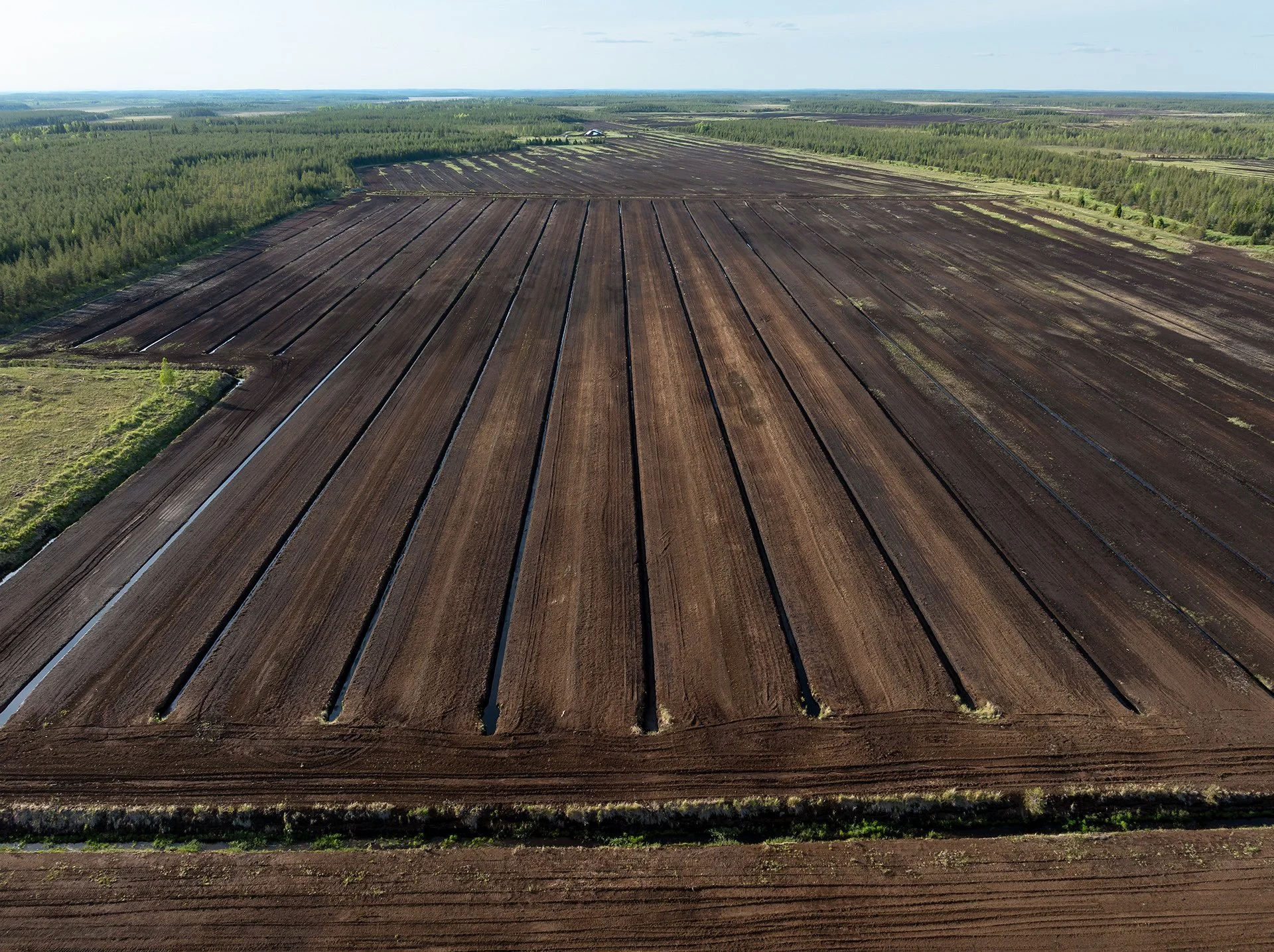
In spite of their enormous contribution to climate regulation, peatlands are largely overlooked in global conversation practice. Only 17 percent of peatlands are in formally protected areas globally. In addition, 20 to 25 percent of global peatlands are in need of restoration due to damage done by human activity.
Historically peatlands have been depicted as ‘wastelands’ in need of improvement to become productive for agriculture or industrial production. As a result, these landscapes have been systematically degraded through forestry operations, mining, agricultural drainage, hydropower projects, and river diversions.
This destruction of peatlands triggers a cascade effect: once a peatland is drained, it transforms from a carbon sink into a carbon source, releasing stored carbon that took millennia to accumulate.
The equation is simple…
The protection and restoration of nearly all of the world’s peatlands is essential to limiting global warming to less than 1.5 degrees Celsius and ensuring a liveable future on planet Earth.
Pursuing protection and restoration alongside the local and Indigenous communities who have stewarded their peatlands for millennia is central to success and climate justice.