
Living peatlands
Global network. Simultaneous action.
Who we are
The Living Peatlands Initiative brings together Indigenous and local communities with organisations working across the European and North American Arctic and Boreal, as well as the Pacific, in a new network undertaking coordinated action to conserve and restore peatlands at landscape-scale.
The initiative was catalysed by the Snowchange Cooperative, a Finland-based organisation that is leading the restoration and conservation of more than 60,000 hectares of peatland-forest complexes across Finland. Living Peatlands is funded by the Climate Breakthrough Initiative Award.
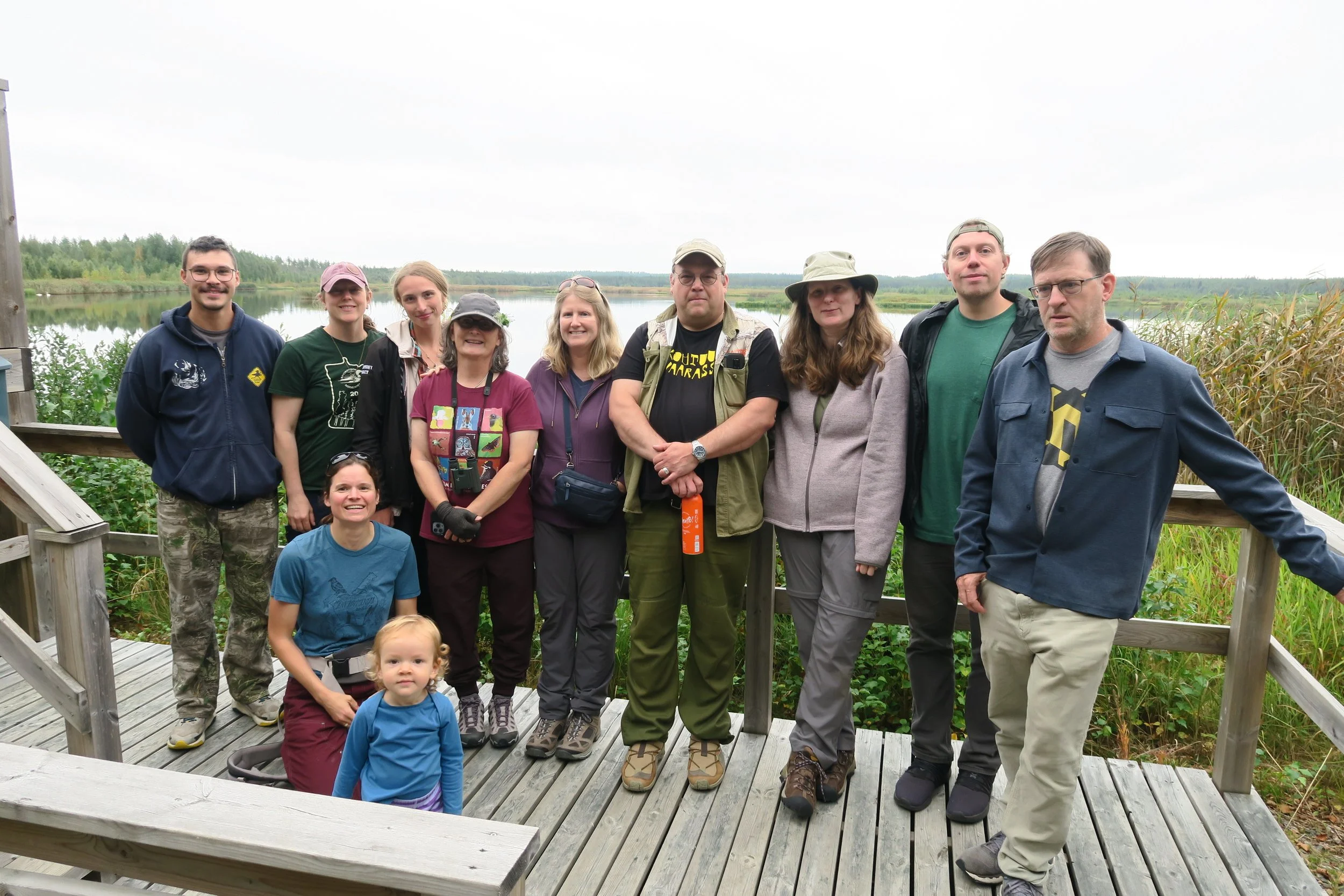
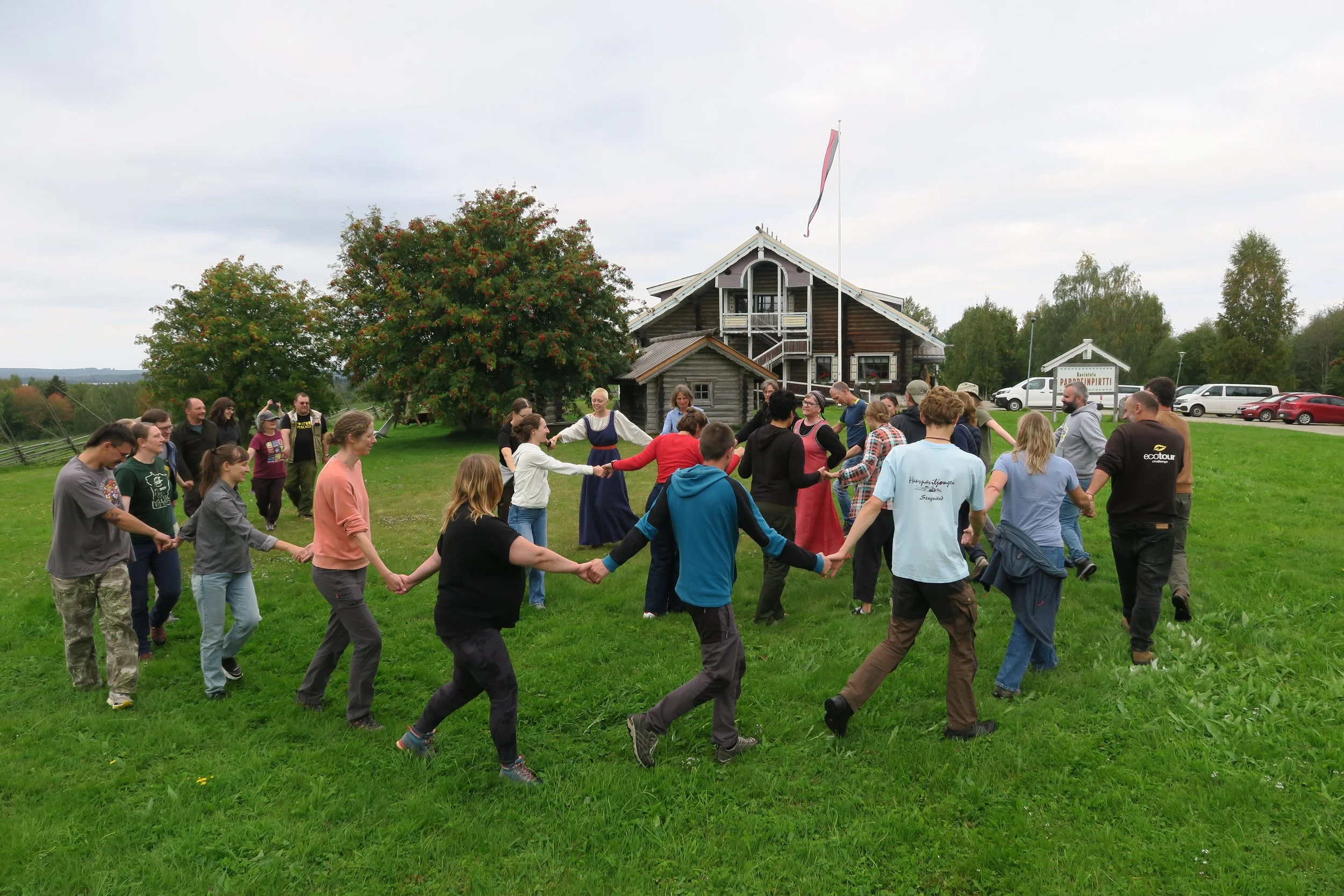
Pictured: members of the Living Peatlands Initiative at a gathering in North Karelia, Finland, in fall 2025.
What we are doing
The Living Peatlands Initiative is developing peatland conservation and restoration hubs across North America, Finland, and the Pacific to undertake landscape-scale initiatives at the regional level, while coordinating and exchanging methodologies and approaches globally.
The first hubs have been established in Finland, northern Minnesota and the Gwich’in Settlement Region of northwest Canada. See our hub landscape StoryMaps here.
The goal of these hubs is to foster knowledge sharing, strengthen Indigenous and local governance, and protect and restore peatlands to preserve or renew their healthy ecosystem function. Each hub determines its own priorities and engages in the network in a way that is relevant locally while also contributing to global stewardship.
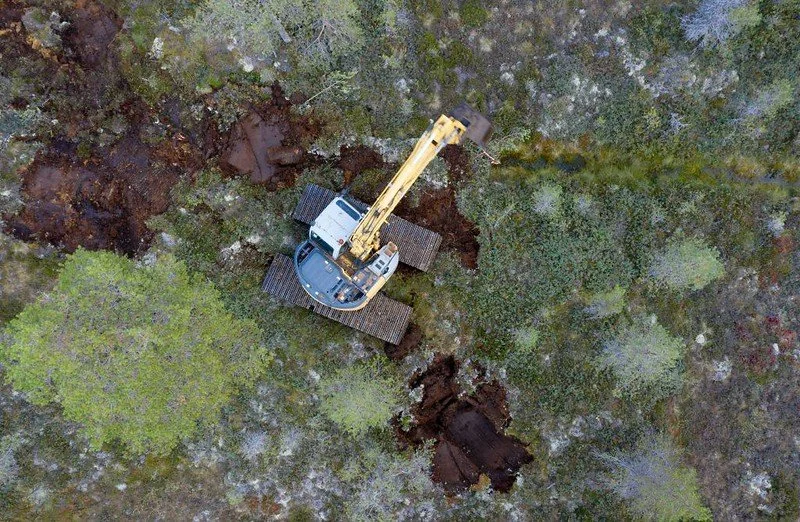
We share a holistic socio-ecological vision of restoration in which the resurgence of rural local and Indigenous communities—supported by renewed, well-functioning ecosystems— is a key outcome. Our approach aims to strengthen key elements that are critical to successful landscape-scale stewardship of peatlands:
-
Local and Indigenous governance and self-determination are critical to success ful peatland stewardship. More than xx percent of peatlands lie in Indigenous territory globally. Snowchange has established some of Europe’s first ICCAs (e.g. Linnunsuo wetland and Alttokangas forest) in collaboration with Sámi and Finnish communities. The ICCA designation adds a layer of recognition and protection, whilst recognising communities as the custodians of biodiverse and restored land/waterscapes, and the importance of their ability to continue subsistence activities and other community uses.
-
Snowchange works to rewild and restore large, well connected areas that can remain/become biodiversity hotspots and carbon sinks, enabling natural succession-based return of species, ecosystem functioning and carbon storage. This approach requires careful planning to connect land parcels into healthy corridors and catchments, as well as monitoring and assessment to understand how conservation and restoration activities enhance biodiversity and ecosystem function.
-
Peatlands safeguard biodiversity including many unique plant, bird and mammal species. Identifying, recognizing, and supporting keystone species within peatlands and surrounding landscapes supports eco system health. Keystone species also provide connections to livelihoods and cultural values connected to historic and contemporary engagements between communities and peatlands.
-
Snowchange conducts social research alongside communities, including collection of oral histories to create socio-ecological baselines that can inform restoration efforts in any given area. The initiative recognizes the importance of Indigenous knowledge systems and community-based monitoring in under standing long-term ecosystem change and guiding restoration
-
Snowchange has used film, photography, poetry, music, and fine arts to recognise and accentuate the role the arts have to play in restoration and protection of nature. The organisation currently runs annual artist residencies in the Koitajoki Catchment in Finland, providing opportunities to local artists. In 2025, Snowchange supported an artist-in-residency program at Sax Zim Bog in Minnesota.